Hembadu Wreck
Maldives, 🇲🇻 MaldivesAdvanced
Depth24m
DifficultyAdvanced
Description
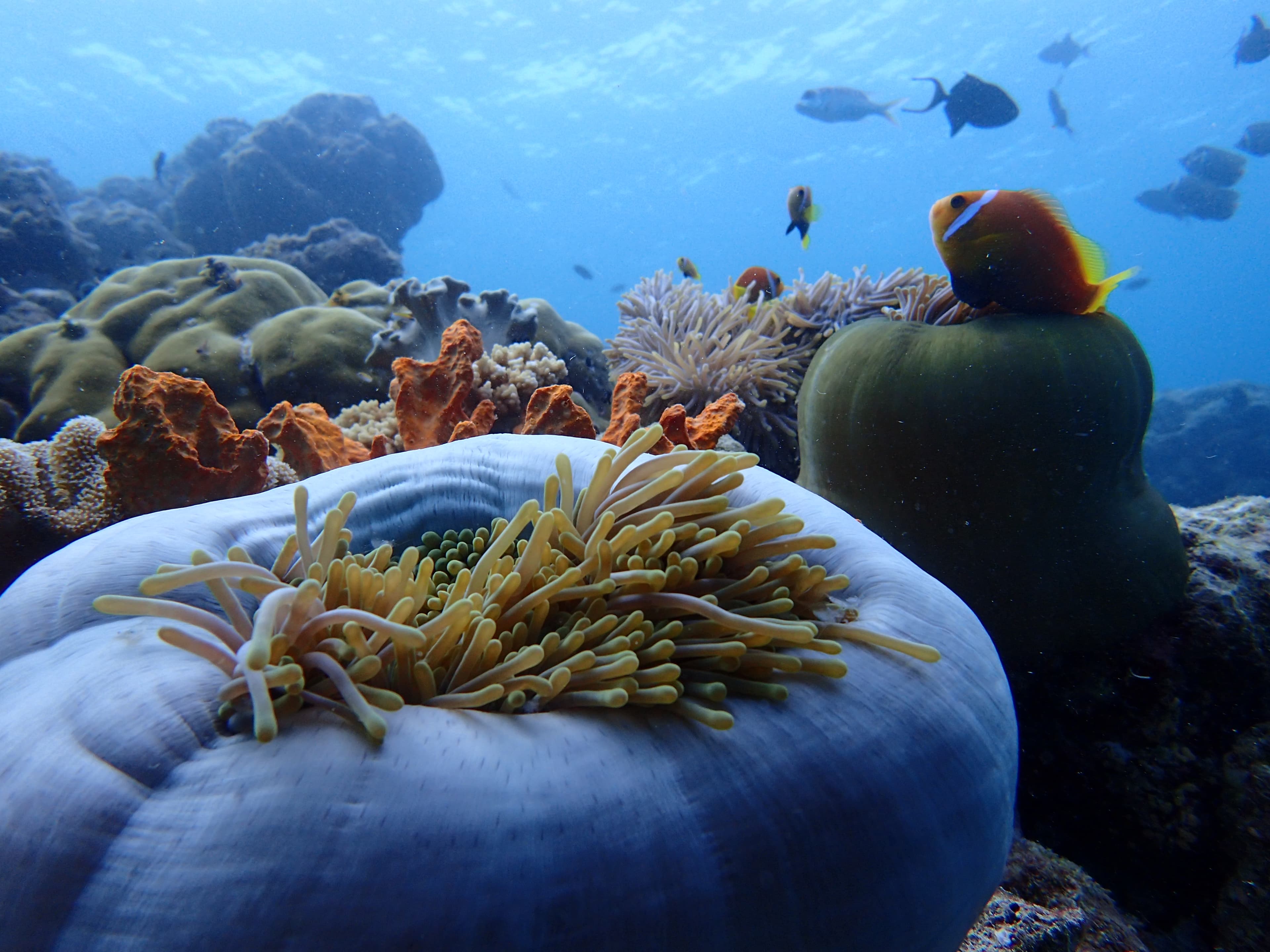
Hembadu Wreck lies on the seabed of North Malé Atoll at a depth of twenty-four meters, offering advanced divers a fascinating wreck diving experience in the crystal-clear waters of the Maldives' most accessible atoll. This artificial reef has been transformed by years of marine colonization into a thriving underwater ecosystem that blurs the line between wreck dive and reef dive, its steel structure now serving as the foundation for an impressive community of hard and soft corals, sponges, and the countless fish species they support. The wreck sits upright on the sandy bottom, its silhouette visible from a considerable distance as you descend through the characteristically clear Maldivian water. The vessel's profile creates an unmistakable landmark on the otherwise featureless sand flat, its superstructure rising from the seabed like an artificial reef block deliberately designed to attract marine life. In many ways, that is precisely what it has become, as the steel structure provides the hard substrate that coral larvae need to settle and grow in an area where natural reef is absent. The exterior of the wreck is draped in marine growth that has accumulated over years of submersion. Hard corals have colonized the upper surfaces where light penetration is strongest, their growth forms following the artificial contours of the ship's structure in fascinating patterns. Soft corals add vibrant color to the deeper and more shaded sections, with Dendronephthya colonies in pinks and reds blooming from the hull plates and superstructure. Sponges in various forms and colors cover much of the remaining surface, their filter-feeding activity contributing to the water clarity that makes this site so visually appealing. The fish community that has assembled around the wreck is remarkable in both density and diversity. Schools of fusiliers orbit the wreck in dense formations, their presence attracting predatory species that use the wreck structure as ambush cover. Jackfish patrol the perimeter, while barracuda hover in the water column above the wreck's highest point. Groupers of several species have established territories within the wreck's structure, the largest individuals occupying the prime locations near openings where current delivers food directly to their waiting positions. Exploring the wreck's interior passages requires advanced diving skills and careful buoyancy control, but rewards those who enter with intimate encounters in enclosed spaces. Lionfish hover in doorways and corridors, their elaborate fins displayed against the dark interior background. Glass fish fill the larger compartments in swirling clouds of silver that part and reform as divers move through. Moray eels occupy pipes and channels throughout the wreck, their territories marked by the cleaned and polished appearance of their regularly used hiding spots. Hembadu Wreck demonstrates the ocean's remarkable ability to transform human-made structures into vibrant marine habitats, offering a different but equally compelling diving experience to the natural reef sites that dominate the Maldivian diving landscape.