Nkhata Bay
Lake Malawi, 🇲🇼 MalawiIntermediate
DifficultyIntermediate
Description
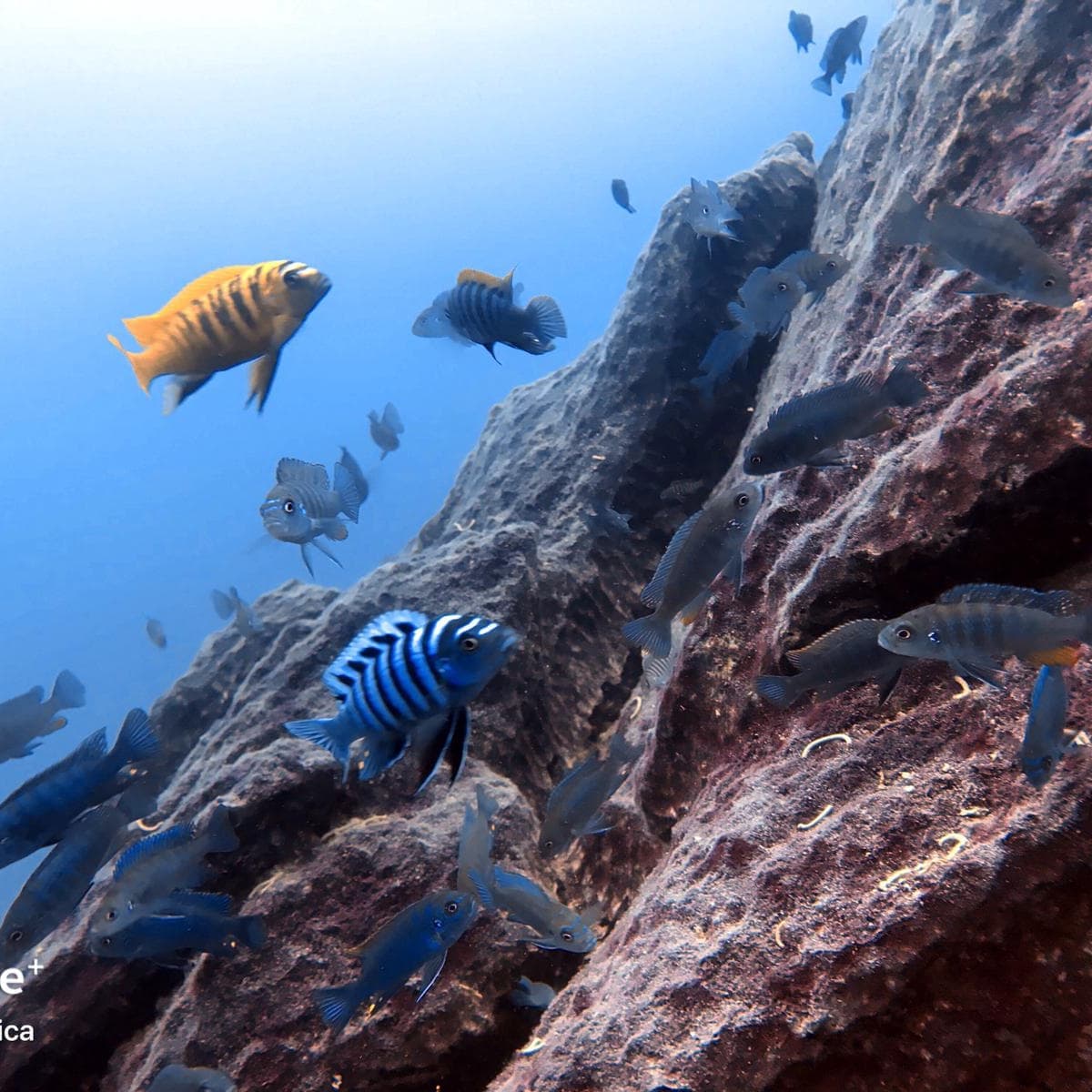
Nkhata Bay sits on the western shore of Lake Malawi in northern Malawi, a deeply indented natural bay where the lakeshore is characterised by boulders and rocky points that create the complex habitat favoured by the lake's famous cichlid fish. Rated intermediate, the site offers more depth range and slightly more varied conditions than the beginner sites further south, while remaining well within the reach of divers who have progressed past their initial certifications and are ready for Lake Malawi diving with a little more substance. The bay is a working fishing community as well as a dive destination, and this dual identity gives it an atmosphere that differs from the more purely touristic sites in the south. Local boats move across the bay, fishing nets are visible from the surface, and the human presence that has shaped this coastline for centuries is palpable. Underwater, the dynamic is the reverse — the rocky substrate below is largely undisturbed, and the fish that live there treat diving humans with the relative unconcern that comes from populations that are not heavily fished within the dive zones. The cichlid life at Nkhata Bay includes species characteristic of the northern lake, some of which are different from those found around Cape Maclear in the south. Lake Malawi is so long — nearly 600 kilometres — that different sections have developed distinct cichlid communities, and Nkhata Bay sits in a northern zone where species replacements and regional endemics add to the interest for divers who have already explored the south. The mbuna assemblages here include colour forms and species that are not seen at Mumbo or Lizard Island, making this a genuinely different experience rather than a repetition. The dive typically follows the rocky shoreline outward from the bay entrance, descending gradually over boulders and through sand channels toward the deeper substrate. At intermediate depths — 15 to 20 metres — the character of the habitat becomes richer: larger boulders with more complex overhang structures host resting catfish and congregating cichlids, and the increased depth brings cooler, clearer water that improves visibility markedly compared to the shallower, more wave-disturbed zones. Utaka — the schooling open-water cichlids of Lake Malawi — are more commonly seen at Nkhata Bay than at some southern sites, their large schools moving through the bay in feeding passes that bring a pelagic quality to what is essentially a reef dive. When a school of utaka sweeps through, the fish interaction is remarkable — mbuna on the rocks retreat momentarily, while predatory cichlids give chase at the periphery of the school. Nkhata Bay has developed a small but quality-conscious dive infrastructure over recent years, with operators offering guided dives and equipment hire for visitors arriving by the ferry that links the bay to the rest of the lakeshore. The combination of accessible diving, an authentic working-bay atmosphere, and the genuinely different northern cichlid fauna makes it a worthwhile addition to any Lake Malawi dive itinerary.