mari mari house reef
Malaysia, 🇲🇾 MalaysiaBeginner
DifficultyBeginner
Description
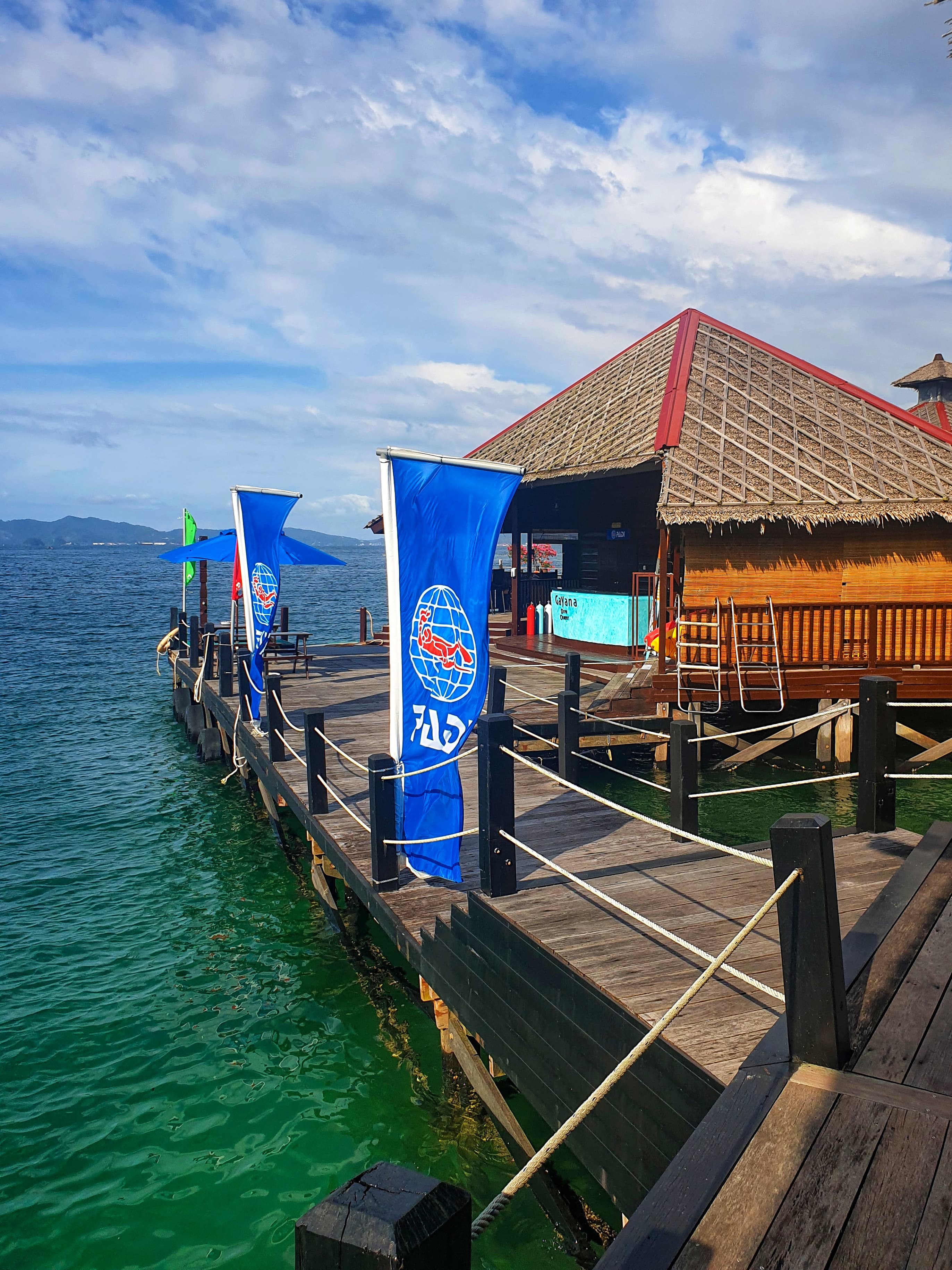
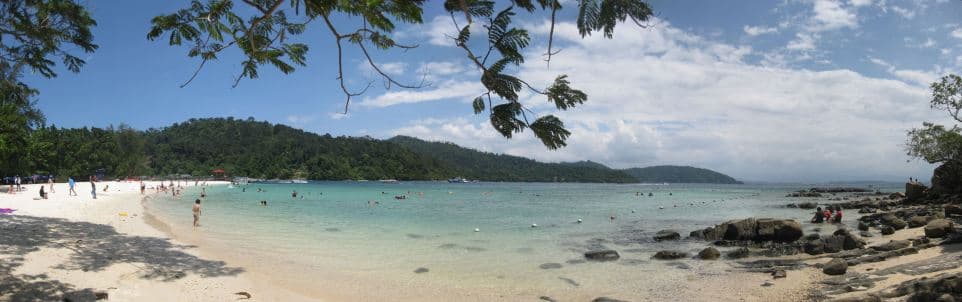
Mari Mari House Reef is the easily accessible resident reef fronting the Mari Mari dive facility on Gaya Island within the Tunku Abdul Rahman Marine Park, just offshore from Kota Kinabalu. As a house reef, it offers the unbeatable convenience of shore-entry diving at virtually any time, making it a favorite for guests who want to maximize their underwater time without the logistics of boat trips and scheduled departures. The reef begins just steps from the shore, dropping gently from shallow snorkeling depths into a reef slope that offers satisfying exploration for scuba divers. The proximity to the resort means the reef sees regular diving traffic, yet the marine life has become thoroughly accustomed to human presence, resulting in unusually approachable fish and invertebrate populations that seem almost to perform for visiting divers. Coral coverage along the house reef is impressive for a site so close to a populated area, reflecting both the marine park's protective regulations and the care taken by the resort's dive operation. Hard corals form the reef's structural backbone, with healthy colonies of brain coral, plate coral, and branching Acropora creating the three-dimensional complexity that supports high biodiversity. Soft corals add movement and color, their branches swaying gently in the mild currents that wash through the reef. The marine life census at Mari Mari House Reef reads like a comprehensive catalog of Southeast Asian reef species. Clownfish families occupy anemones at regular intervals along the reef, each colony representing a slightly different species pairing. Schools of fusiliers stream past in the water column above, while closer to the reef, wrasses, parrotfish, and surgeonfish go about their daily routines of feeding, cleaning, and territorial display. The macro life is equally rewarding, with nudibranchs, flatworms, and various shrimp species providing endless entertainment for detail-oriented divers. Night diving on the house reef reveals an entirely different community. The corals themselves transform, extending their feeding polyps to create a fuzzy, three-dimensional surface that looks nothing like the smooth daytime reef. Crabs and shrimp emerge from hiding to forage openly, their eyes reflecting dive light beams in pinpoints of red and green. Sleeping parrotfish can be found in their mucus cocoons, and the hunting nocturnal predators like lionfish and moray eels become the reef's dominant players. The greatest advantage of Mari Mari House Reef is freedom. Without boat schedules to constrain you, there is time for the long, slow dives that produce the best wildlife observations. Dawn dives, sunset dives, and midnight explorations are all possible, and the intimacy that develops from diving the same reef repeatedly transforms casual observation into genuine understanding of reef ecology. For divers based in the Kota Kinabalu area, this house reef offers a living classroom right at the water's edge.