Betty Blue
Sweden, 🇸🇪 SwedenAdvanced
Depth25m
DifficultyAdvanced
Description
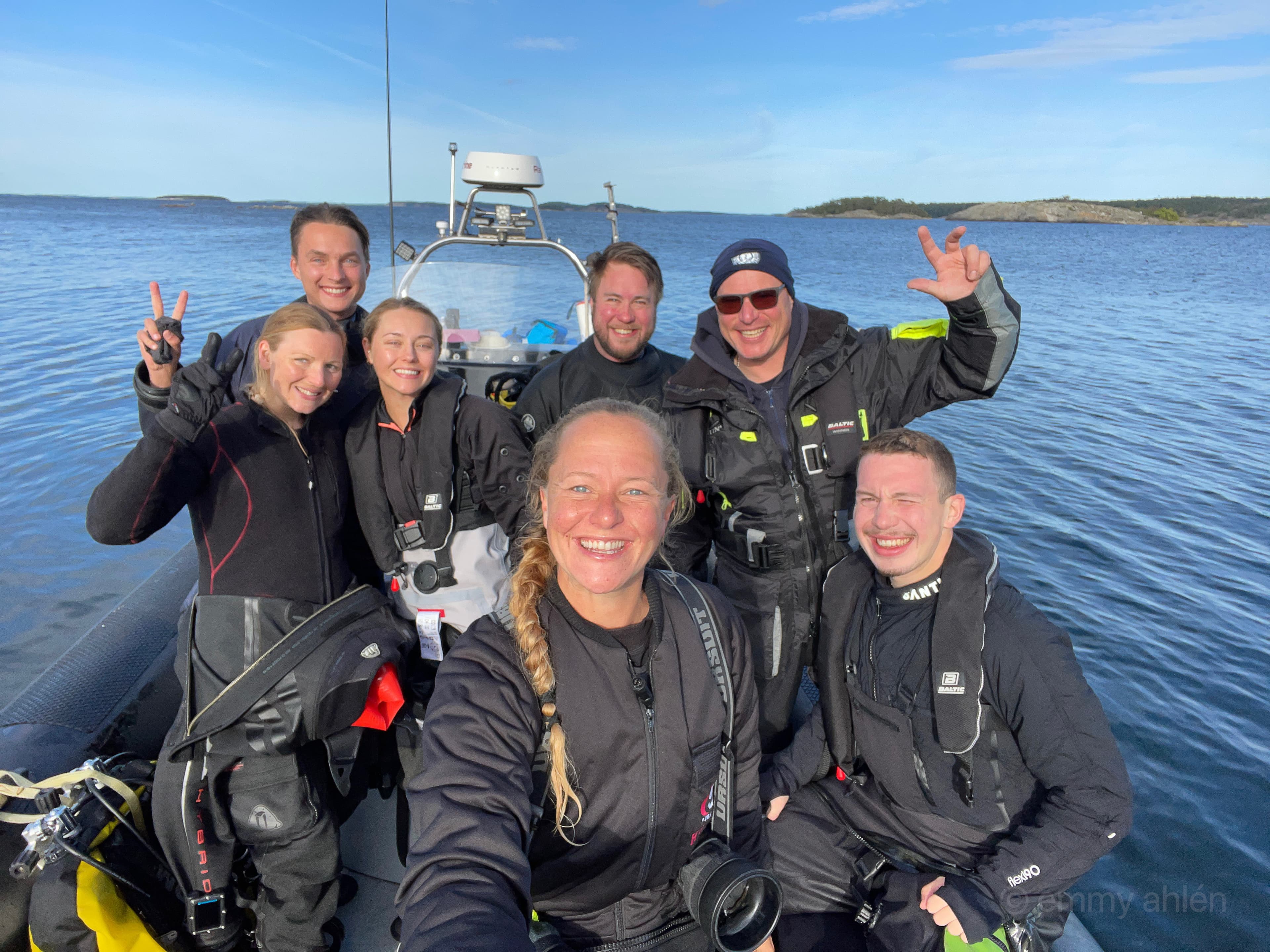
Betty Blue is an advanced wreck dive in the Stockholm archipelago that takes experienced divers down to twenty-five meters to explore a vessel resting on the Baltic seabed among the granite islands east of Sweden's capital. The wreck's name has become well known in Swedish diving circles, and it stands as one of the archipelago's most popular wreck dives for those with the skills and equipment to handle Baltic conditions at depth. The descent to Betty Blue passes through the characteristic green water of the Baltic Sea, where the low salinity and high plankton content create a distinctly atmospheric diving environment. Visibility can range from a few meters to over ten meters depending on season and conditions, and the gradual emergence of the wreck from the green murk as you descend is one of those diving moments that never loses its impact regardless of how many times you visit. The wreck sits upright on the bottom, its structure still substantial despite the slow deterioration that all Baltic wrecks undergo. The cold temperatures and low salinity of the Baltic dramatically slow the biological and chemical processes that destroy wrecks in warmer, saltier seas, meaning Betty Blue retains structural details that allow divers to understand the vessel's original configuration. The hull, superstructure elements, and deck fittings are all identifiable, making for an engaging exploration. Marine growth on Betty Blue reflects the Baltic's unique ecology. Mussels encrust the metalwork where conditions allow, while hydroids and algae colonize the upper surfaces where light penetrates. The wreck creates an oasis of hard substrate in the otherwise sandy or muddy bottom, attracting fish that use the structure for shelter. Perch and cod are the most commonly encountered species, along with various gobies that have made the wreck's crevices their permanent home. The twenty-five meter depth demands proper gas management and awareness of nitrogen narcosis potential, particularly in cold water where the physiological effects can be amplified. Decompression obligations are minimal for brief visits but can accumulate quickly if bottom time extends, making dive planning and gas discipline essential. A drysuit with adequate thermal undergarments is non-negotiable at this depth in Baltic temperatures. The wreck's position in the archipelago means boat access is typically required, and several Stockholm-area dive operators offer guided trips to Betty Blue throughout the diving season. These guided experiences provide valuable local knowledge about the wreck's layout, the best approach based on current conditions, and the specific features worth seeking out during the dive. Betty Blue exemplifies the distinctive character of Baltic wreck diving. The combination of well-preserved wreck structure, atmospheric underwater conditions, and the historical richness of the Stockholm archipelago creates a dive experience that is uniquely Scandinavian. For advanced divers exploring Sweden's east coast, this wreck is an essential logbook entry.