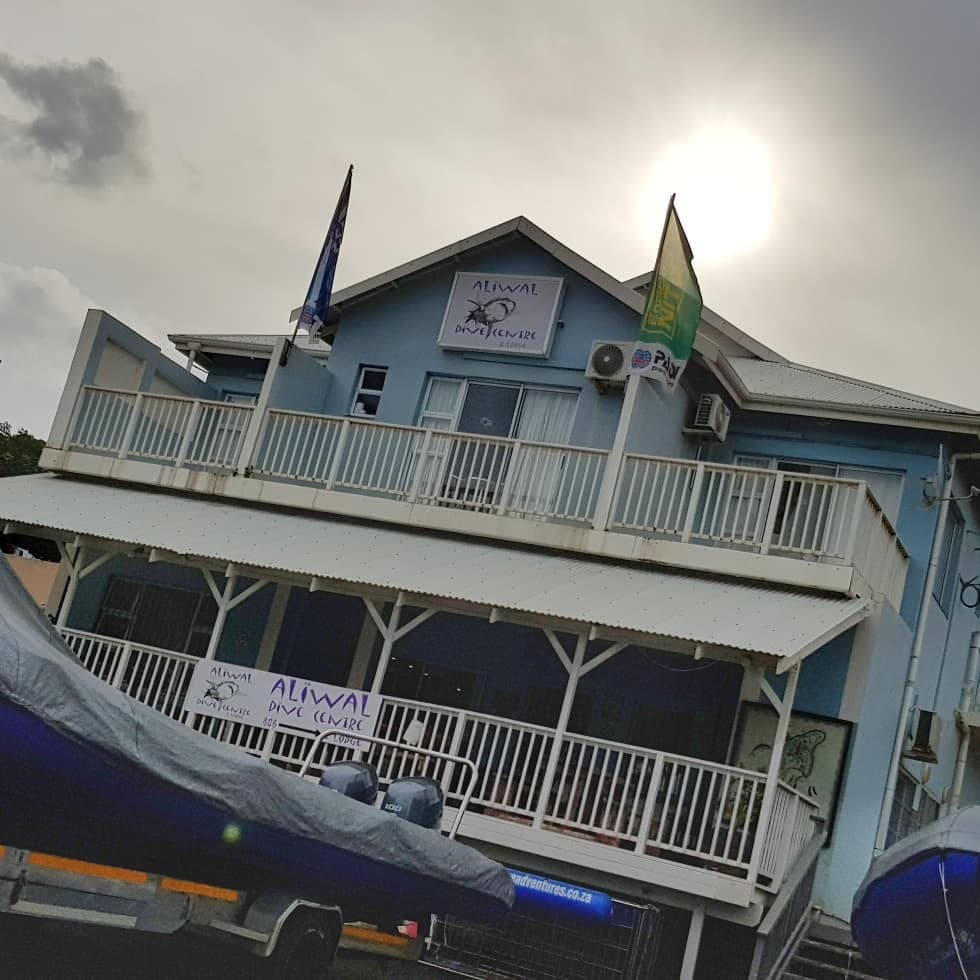
Aliwal Shoal
South Africa, 🇿🇦 South AfricaAdvanced
Depth40m
DifficultyAdvanced
Description
The name Aliwal Shoal comes from the sailing ship Aliwal, which ran aground on this reef formation in 1849 during the era when the approaches to Natal's ports were poorly charted and the offshore hazards between Durban and Port Elizabeth were inadequately marked. The ship survived its encounter with the Shoal; the name survived with it, and for over a century and a half the Aliwal Shoal has been one of the defining landmarks — below water — of the KwaZulu-Natal South Coast. Aliwal Shoal is a fossilized dune system — ancient dune structures from a time when sea levels were lower, consolidated over geological time into the hard sandstone reef that now lies five kilometers offshore from Umkomaas. This specific origin gives the Shoal a topographic complexity that typical reef formations don't have: dune ridges and troughs create a varied underwater landscape of gullies, overhangs, caves, and raised reef structures that provides multiple habitat types for the extraordinary marine life that has made Aliwal one of Africa's premier diving destinations. The shark diving at Aliwal Shoal is the reason most international visitors make the journey to Umkomaas. Ragged-tooth sharks aggregate in the Shoal's caves in extraordinary numbers from June through November — a winter congregation of hundreds of animals that creates an encounter available at very few other places on Earth. The bull shark population is resident year-round, and diving with bull sharks in open water on this reef is one of South Africa's most sought-after experiences. Hammerhead sharks visit in schools at certain times. Tiger sharks are present. Whale sharks and manta rays have been sighted. The Shoal's shark diversity is simply extraordinary. Beyond the sharks, Aliwal Shoal supports the full diversity of a subtropical Indian Ocean reef in good health. The coral communities on the dune ridges host the western Indian Ocean's characteristic reef fish assemblage — angelfish, butterflyfish, anthias, snapper, and the various species that a warm, clear, productive reef supports. Humpback whales pass through during migration season, their underwater sounds audible during dives in the appropriate months. Dolphins visit the reef regularly. The forty-meter maximum depth and advanced rating reflect both the depth of the outer reef and the conditions that an offshore reef five kilometers from shore can present. For advanced divers who arrive at Aliwal Shoal prepared for these conditions, the Shoal delivers on its world-class reputation with a consistency that justifies the significant reputation it has built over decades of acclaimed diving.