Long Beach
South Africa, 🇿🇦 South AfricaBeginner
DifficultyBeginner
Description
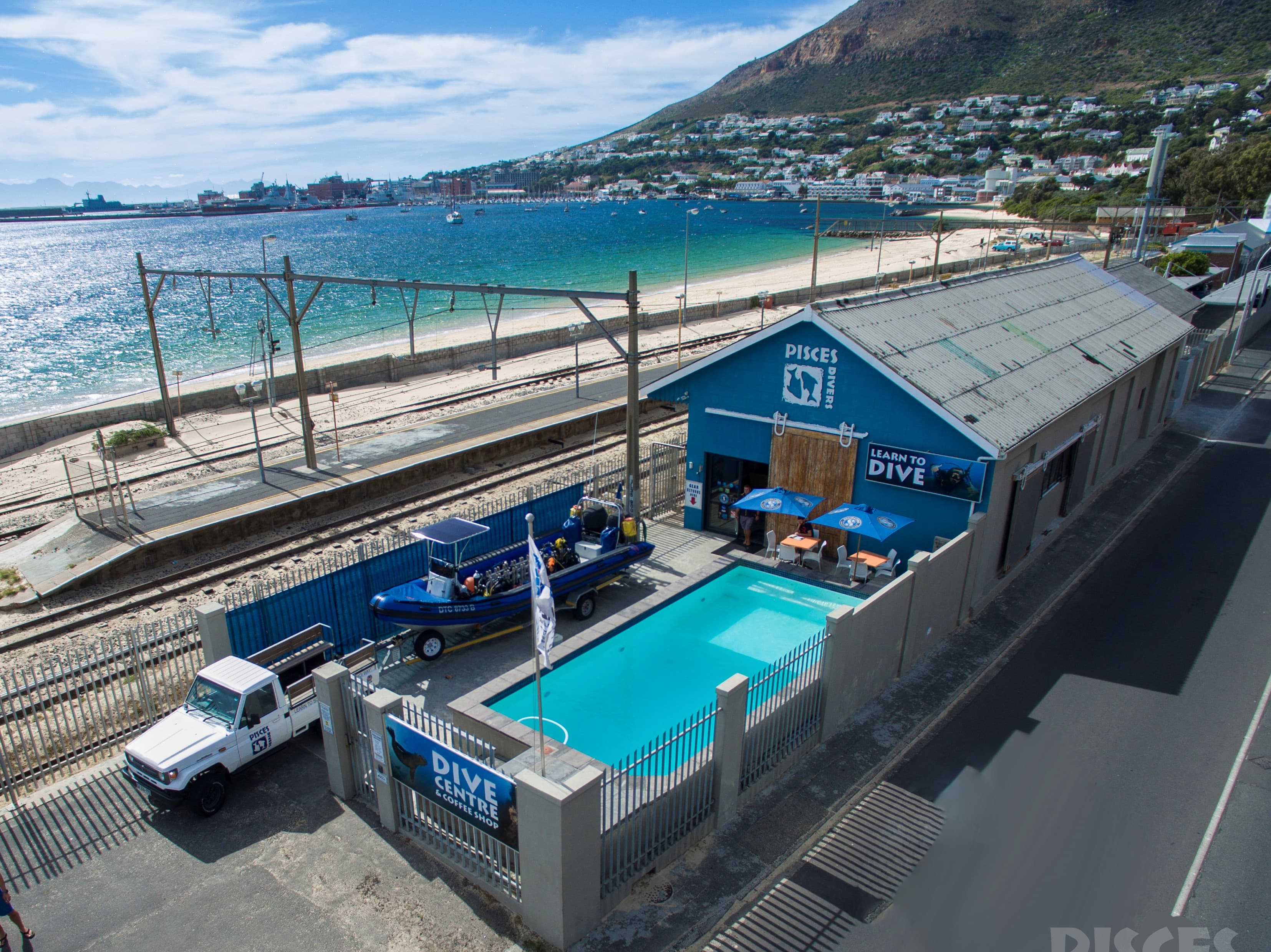
Long Beach stretches along the southern reaches of the Cape Peninsula in one of the Cape's longest continuous stretches of sand — a broad, wind-swept beach that has given its name to everything associated with it, including the dive site in the water just off its rocky southern end. The beach itself is famous for its windiness, its proximity to Simonstown, and the leopard catsharks and other marine life visible in the shallows that snorkelers and divers consistently encounter here. Below the surface, the diving provides beginner divers with an introduction to one of the Cape's most characterful marine environments. The Long Beach dive site takes advantage of the rocky reef that underlies the southern section of the beach, where the sandy beach gives way to the rocky substrate that characterizes the Cape Peninsula's reef diving. This transition zone — where sand meets rock — is one of the Cape's most ecologically interesting environments, the interface between two different habitat types creating edge effects that elevate both the diversity and the abundance of marine life. The sandy sections support the animals that prefer soft substrate, while the rocky reef supports the encrusting and resident species of a Cape temperate reef. The marine life at Long Beach reflects the ecological richness of this habitat transition. Leopard catsharks — small, beautifully spotted sharks that inhabit rocky reefs throughout the Cape — are a characteristic encounter here, resting in the crevices of the reef or cruising the sandy channels between rocky outcroppings. These are not threatening animals but genuinely beautiful ones, their spotted and striped patterns making them among the Cape's most photogenic resident species. Stingrays rest on the sandy sections, their dorsal surfaces textured to match the specific sand color with impressive precision. The African penguin connection that characterizes all Simonstown-area diving is relevant at Long Beach as well — the Boulders Beach colony is close enough that individual birds frequently enter the water at Long Beach and use the reef and sandy bottom for their foraging. A penguin underwater is a different animal from a penguin on land — fast, precise, and fully in its element in a way that even experienced divers find remarkable. The brief, rocketing passes of a hunting penguin through a diver's field of view are among the most distinctive wildlife encounters available in South African diving. For beginners, Long Beach offers the combination of shore access, manageable depth, and genuine Cape Peninsula marine life diversity that makes it a valuable site in the Simonstown area's diving portfolio. The setting — with the long beach visible above and the rocky reef below — provides a clear orientation and the comfortable awareness of shallow, familiar water that supports confidence development in new divers.