Wailea South
United States, 🇺🇸 United StatesBeginner
DifficultyBeginner
Description
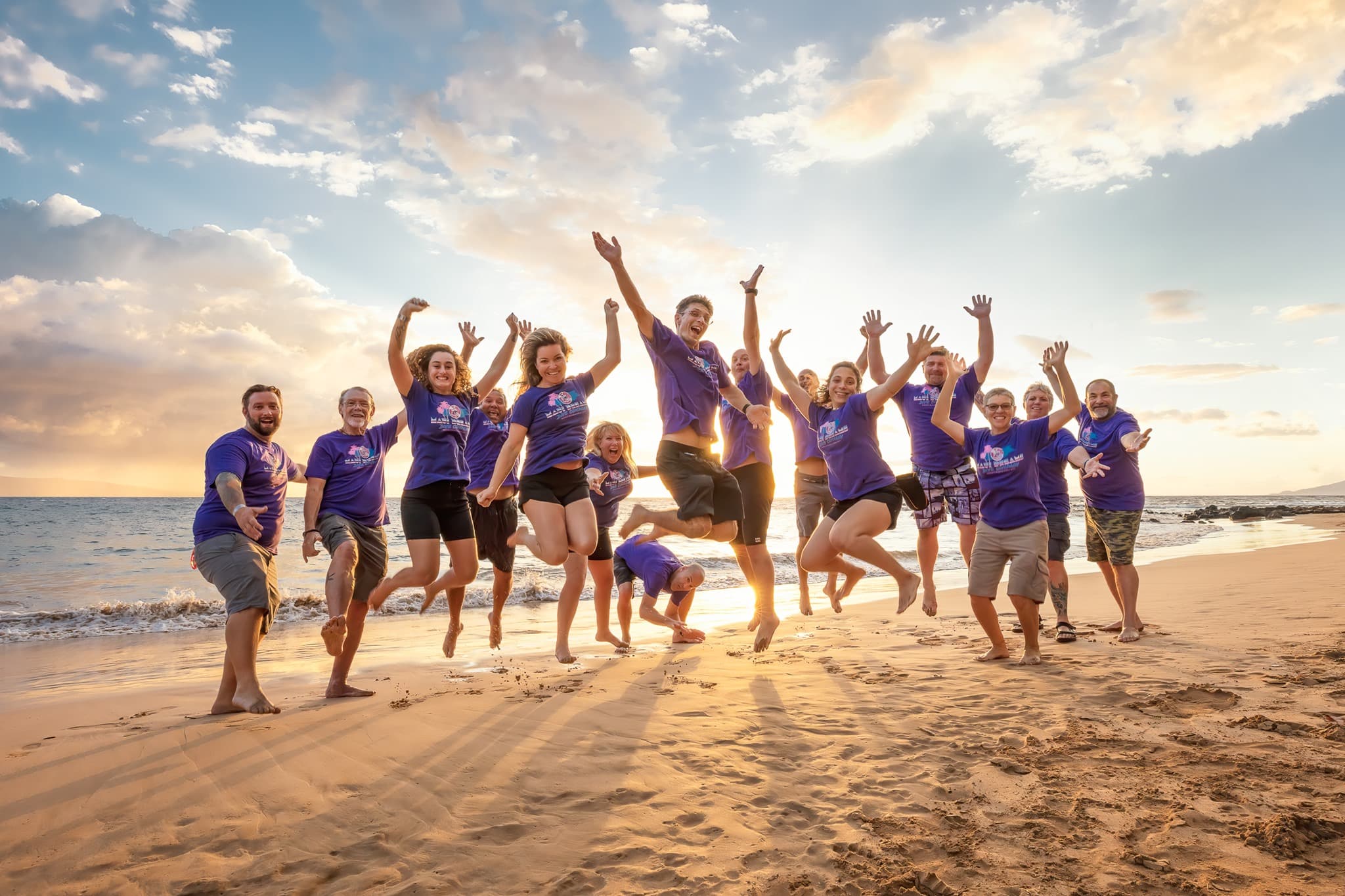
Wailea South extends the exceptional shore diving available along South Maui's resort coast toward the transition from Wailea's manicured resort landscape to the wilder Makena area that lies just to the south—a geographic and ecological transition point where the character of the reef subtly shifts as the human development pressure decreases and the natural coastline reasserts itself in the rocky lava flows and more dramatic terrain of Makena State Park. This transition zone creates diving that combines the accessibility and infrastructure support of the Wailea resort area with the slightly more natural character that the less-developed southern coast provides. The reef at Wailea South benefits from the same exceptional conditions that characterize the entire Wailea-Makena coastal dive zone: calm leeward conditions maintained by Maui's geography, clear water from the deep 'Alalakeiki Channel, and the productive reef ecosystem that the area's limited land-based pollution and active marine conservation programs have allowed to develop. The coral cover at Wailea South represents the ongoing recovery and resilience of Hawaiian reef systems that have been given the protection and water quality necessary for long-term biological development. Fish diversity at Wailea South reflects the comprehensive Hawaiian reef fish community—Indo-Pacific widespread species alongside Hawaiian endemics, pelagic visitors alongside territorial reef residents, juvenile fish in their juvenile coloration alongside the adults of the same species displaying their full sexual maturity colors. The interaction between all of these groups creates an actively complex community in which territorial displays, predator-prey encounters, cleaning station behavior, and the social structures of schooling species all play out simultaneously in the ten to thirty feet of water immediately accessible from shore. The sand channels between reef sections at Wailea South provide hunting corridors for the Hawaiian octopus—the day octopus that is Hawaii's most commonly encountered octopus species, active during daylight hours unlike the nocturnal behavior typical of octopus in many reef systems globally. Day octopus hunting in the sand channels—moving with liquid, color-changing grace from one patch of cover to the next, their arms probing coral crevices for the small prey they capture with the combination of suckers, toxin, and powerful beaks—creates the dynamic, intelligent wildlife encounter that cephalopod enthusiasts pursue specifically in Hawaiian waters. The sunset from Wailea's south shore, with the island of Kahoolawe silhouetted against the west Pacific horizon, follows a dive from Wailea South with the visual finale that Hawaii's western-facing coasts provide routinely and the rest of the world provides rarely. For divers who plan their underwater activities around Maui's natural beauty above as well as below the surface, Wailea South's combination of exceptional reef diving and dramatic surface scenery creates a complete Hawaiian coastal experience.