L.C.M. David Nicholson
Grand Cayman, 🇰🇾 Cayman IslandsIntermediate
DifficultyIntermediate
Description
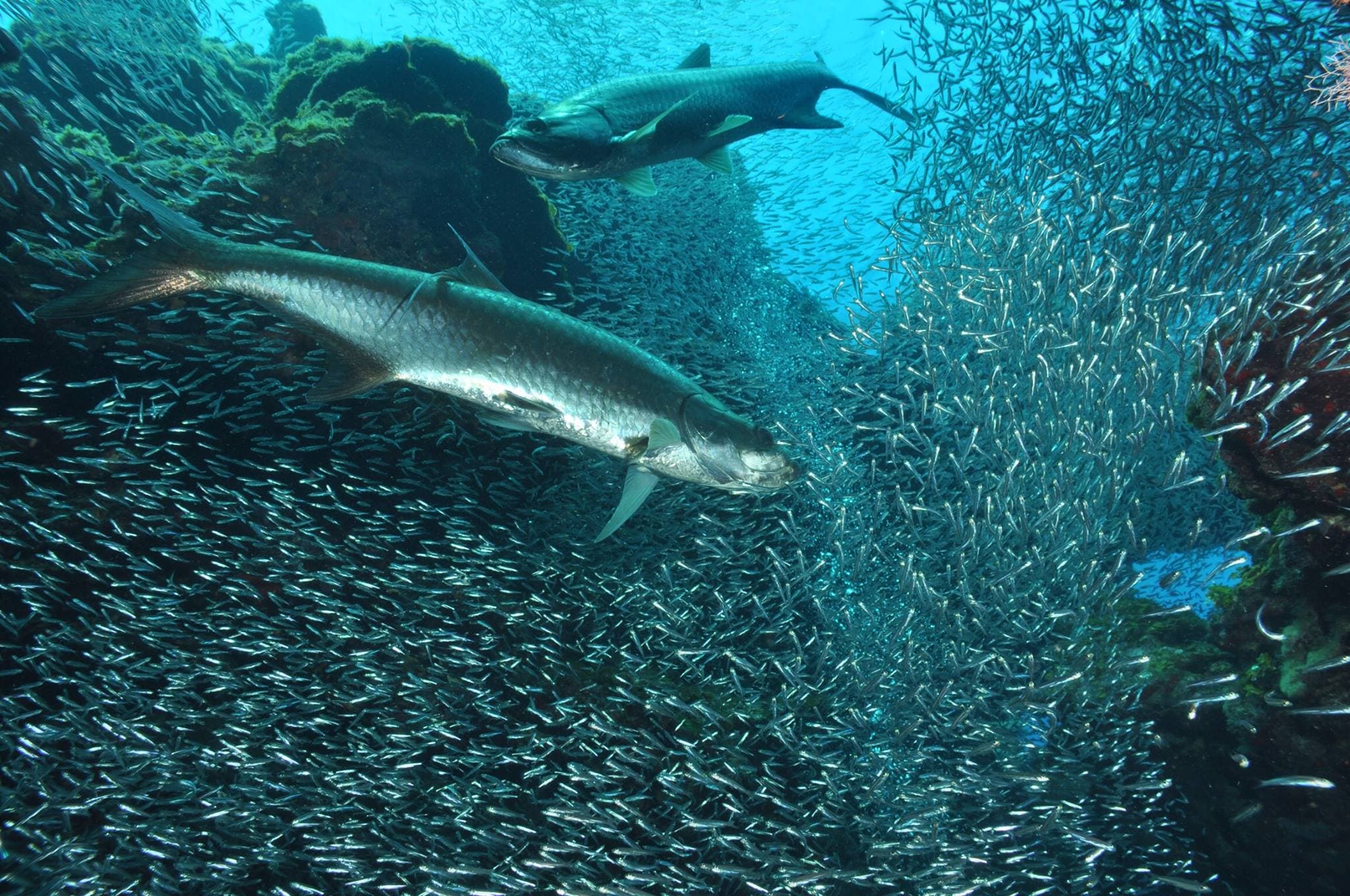
The L.C.M. David Nicholson is one of Grand Cayman's most historically interesting wreck dives — a Landing Craft Medium (LCM) that now rests on the seafloor near George Town, the vessel's military origins and conversion to civilian use before its scuttling giving it a life story more varied than most Caribbean wrecks. LCM vessels were workhorses of World War II amphibious operations, designed to carry tanks and vehicles from ship to shore, and the ones that survived the war were put to various post-war uses before their eventual retirement. The David Nicholson's Cayman history adds a Caribbean chapter to this longer story. The wreck sits at intermediate depth, its compact landing craft profile clearly visible and navigable within a single dive. The flat-bottomed hull, ramp, and basic superstructure that characterise landing craft are recognisable beneath the decades of marine growth, and the vessel's relatively simple layout makes it a straightforward wreck to navigate for intermediate divers developing their wreck orientation skills. The ramp end of the vessel — designed to drop open onto beaches for vehicle offloading — is a particularly evocative feature, its mechanical heritage surviving underneath the colonising marine organisms. The biological growth on the L.C.M. David Nicholson is dense and well-established. Sponge communities cover the hull plating in overlapping sheets, and the open well deck of the vessel has accumulated a community of encrusting organisms that have transformed the original flat metal surface into a textured biological landscape. Schools of glassfish fill the enclosed spaces of the vessel interior. Grouper of various sizes have claimed specific compartments as territories, and the resident moray eels occupy the crevices in the mechanical infrastructure of the landing craft with the proprietary ease of long-established tenants. For divers interested in the intersection of military history and marine ecology that wreck diving provides at its most interesting, the L.C.M. David Nicholson combines a historically grounded vessel type with a well-developed artificial reef community in a dive that offers both the contemplative aspect of historical diving and the immediate biological interest of a living reef.