Honolua Bay
United States, 🇺🇸 United StatesBeginner
Depth15m
DifficultyBeginner
Description
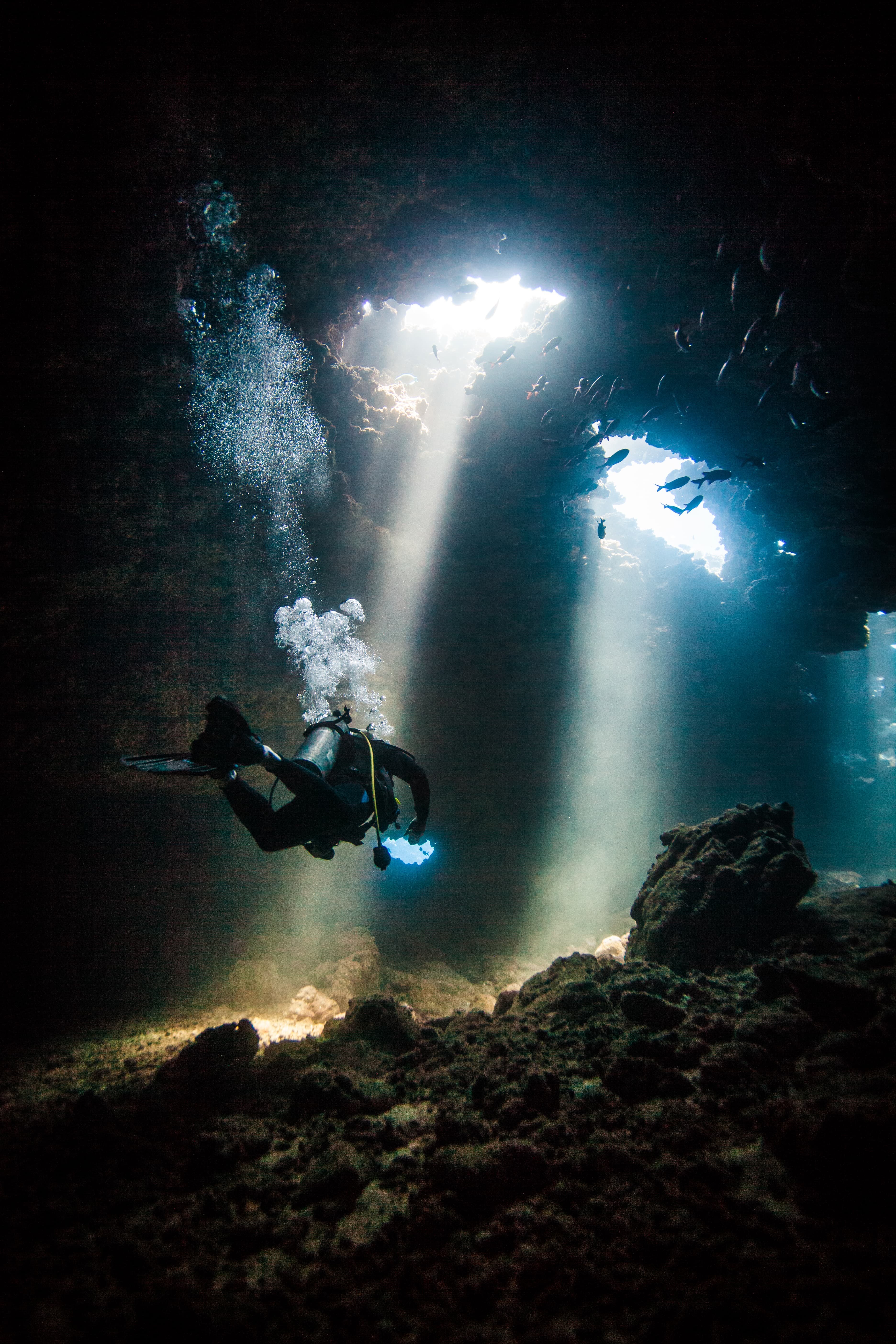
Honolua Bay on Maui's northwestern coast is one of Hawaii's most celebrated marine reserves and diving locations—a sheltered bay surrounded by towering sea cliffs and mature vegetation that has become famous among surfers, snorkelers, and divers alike for the exceptional quality of its marine ecosystem and the dramatic natural setting that the bay's geology creates. The bay's protected status as a marine life conservation district has allowed its coral reef and fish populations to develop in a state that active fishing areas cannot achieve, creating a biological community of density and diversity that represents what Hawaiian coastal waters look like when given the opportunity to recover and flourish. Honolua Bay's reef, protected from prevailing northeast trade wind swell by the bay's orientation and the dramatic cliffs that frame its northern side, supports the coral growth that exposed locations cannot sustain. Brain corals, lobe corals, and the encrusting species that anchor Hawaii's reef communities build structures of considerable age and complexity in the bay's protected water. The coral's growth, undisturbed by fishing gear or anchor damage in the conservation district, displays the architectural complexity of established reef systems—not the degraded fragments typical of heavily used reefs, but the complete, interconnected structure that healthy coral reef ecosystems create over decades of undisturbed growth. Fish life at Honolua Bay reflects the conservation district's protection in species richness and individual fish size. Yellowfin surgeonfish, moorish idols, and the various reef fish of the Indo-Pacific family that comprise Hawaii's reef community inhabit Honolua in numbers and sizes that protected status allows. Reef sharks—whitetip reef sharks in particular—patrol the bay's deeper sections, their presence a signature of a healthy reef ecosystem where the apex predators that structure the food web have been allowed to maintain their populations. A whitetip resting on the bottom in Honolua's clear water, its streamlined body and distinctive white-tipped dorsal fin unmistakable, creates the shark encounter that many Hawaiian divers specifically seek. The bay's seasonal diving character is worth understanding for visiting divers planning trips around optimal conditions. In summer months—May through September—Honolua's northwest-facing bay is sheltered from the trade wind swell that affects other Maui coasts, creating calm, clear conditions ideal for diving. In winter, when north Pacific swells generated by Alaskan storms march southward and wrap into Honolua as the large surf that makes it one of the world's most famous surfing locations, diving becomes impossible or extremely dangerous. Timing a Honolua Bay dive visit to the summer months is essential for the calm water conditions that make the bay's natural beauty fully accessible to divers at beginner level. The approach to Honolua Bay through Maui's northwest coast agricultural and residential country, past the former pineapple fields and the native forest fragments that survive on the Honolua ridge, creates an overland approach that is itself a pleasurable aspect of visiting this exceptional reserve.